


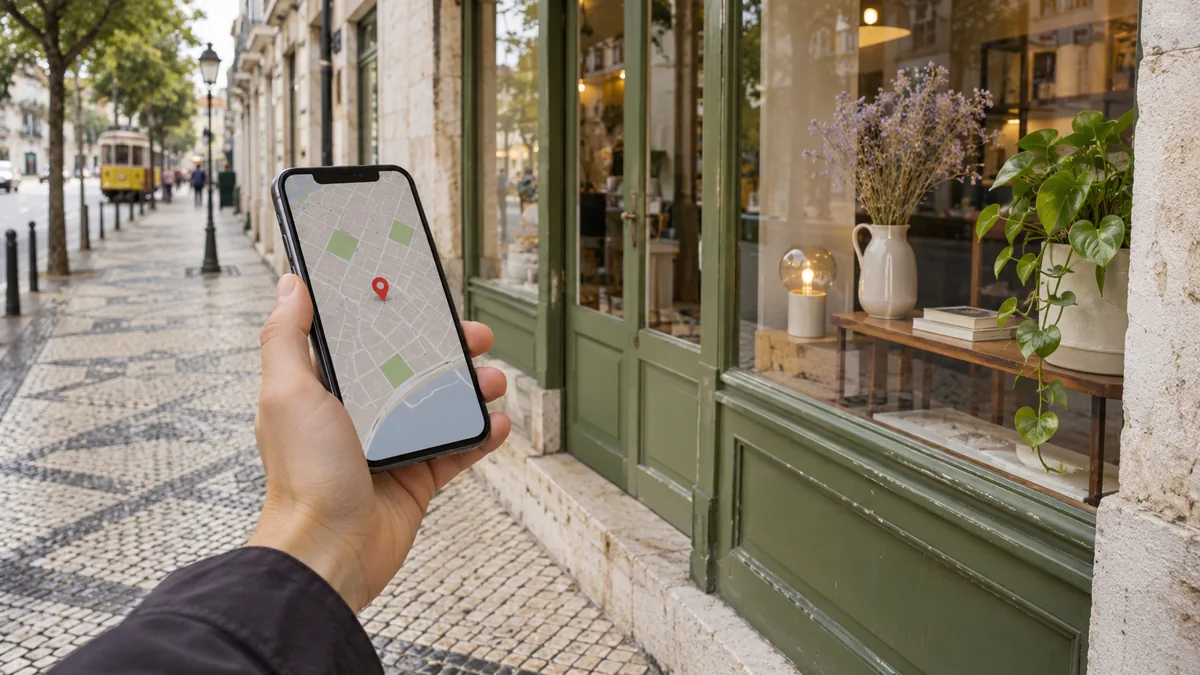
A brand with physical stores wins with the local SEO when someone can find the right unit and decide whether it is worth moving. The question can be “is there a collection on Saturday?”, “Does this store make arrangements?” or “how do I get into the parking lot?”. Keeping these answers right on the profile and on the site is as operational as editorial work.
According to Google Business Profile, local results consider the relevance, distance and notoriety. The distance depends on the research and where it is made. The team can act on the accuracy of the data, on the description of what is found in each location and on the information that already exists about the establishment.
Start with the differences that affect a visit
Make a list of the units and confirm who you work with in each location the services and schedules that apply. A store can be open on Sunday and have the workshop closed. A second unit can only receive orders that have already been paid. Indicate the same service in both chips creates an unnecessary trip and a phone call that the customer did not expect to make.
Review the name, main category, address, phone number and times. Test the directions on the map. A shop in a shopping centre can have a pedestrian entry on one street and access to loads on another. If customers are regularly mistaken, a photograph of the right entry and two phrases on the store page may solve more than adding the parish name several times to the text.
When there is a change, apply it at all points where the person can prepare the visit. For holiday times, see the Google instructions for special times. A network with many units can assign this task to the store manager, with a deadline for confirmation and a central control over what remained to be updated.
Give each store page a reason to exist
The page of a unit should explain what happens at that address. For a shop with technical assistance, include the accepted equipment, the need for marking and the contact that deals with repairs. For a pick-up point, indicate what the customer needs to take and how long you can pick up the order. A general phone and a replicated paragraph on all pages leave these questions open.
Connect these pages from the store locator and connect each profile to the respective unit. A search by brand name and zone can reach directly to the local page. When opening the link in a campaign, the person should know effortlessly if he is seeing the address and conditions of that store.
This information also helps those who are prepare an online store. Imagine that the purchase can be lifted in store. The collection availability that appears before payment must match the unit’s capacity. The local page can explain the location of the counter and the route through the shopping center, without forcing the customer to open the cart to discover them.
Evaluate results that match the store’s goal
O Company Profile performance report you can show interactions like clicks to call, order directions and clicks on the site, as per the profile. Read these data for what they represent. A request for directions is a sign of interest in getting to the store. A confirmed booking or a registered sale on the counter is another event.
Compare units with similar conditions and check time changes, works, festive days and campaigns. A break in calls after explaining the collection on the page may mean that a doubt no longer requires contact. Ask the shop team what people have come to ask and compare the change with other measures, such as clicks in completed directions or markings.
Make updates part of day-to-day operations
Make a first round in the units where the error costs more to those who are on the way: newly opened stores, pick-up points and locations with different times than the others. Correct the data on the profile and on the store page. Then test the route on a mobile phone, from the search to the call to directions or for dialing. If the time has changed for a week, register when to return to normal and who confirms the replacement.
A chain with multiple locations can earn more by correcting this routine than by changing all page titles at once. When a new doubt arises, there is a right address to answer and a person responsible for validating the answer.
Apply the same principle to content that answers customer questions: put the answer on the page readers can find and check.